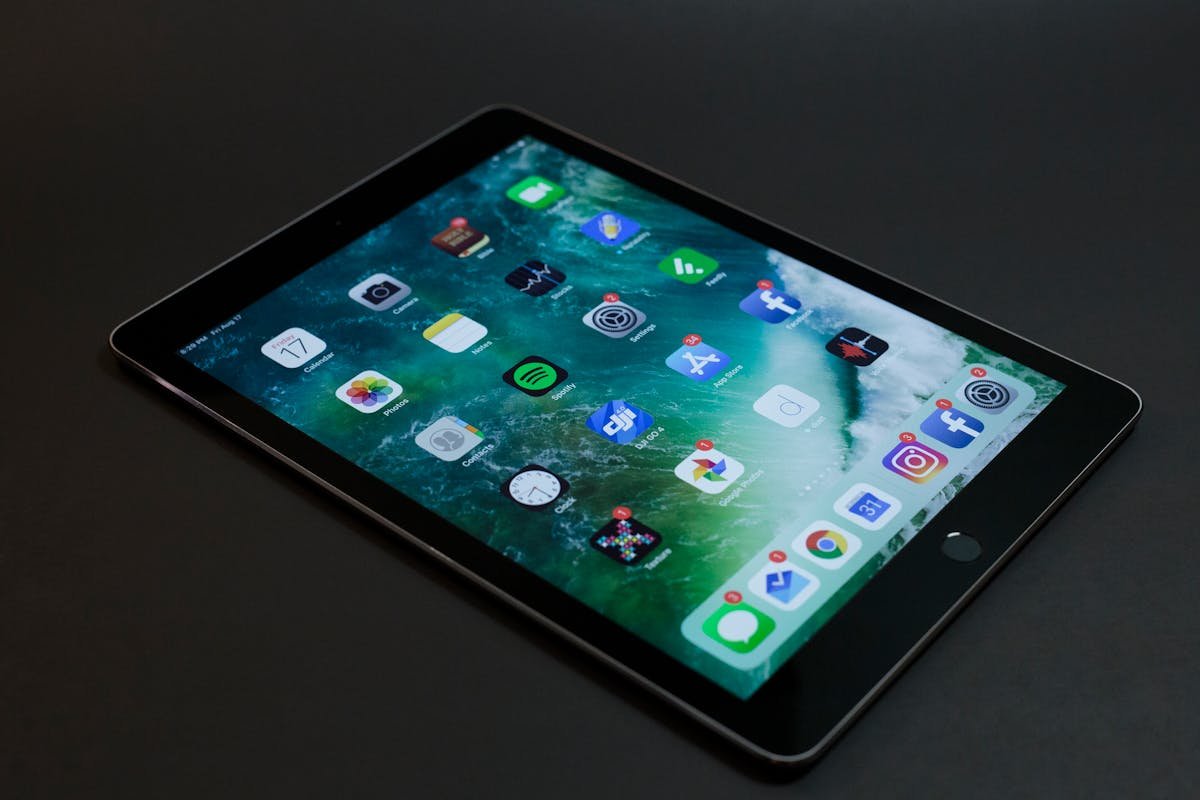
Tablets have found a comfortable and practical role in modern life — a screen large enough for comfortable video watching, reading, and light productivity without the weight or price of a laptop. In 2025, the budget tablet market has genuinely matured: you no longer have to accept a sluggish, laggy experience to stay under $300. The best affordable tablets combine bright displays, capable processors, and software support timelines that justify the purchase as a multi-year investment rather than a disposable device. This guide covers every category of budget tablet worth buying right now.
What to Look for in a Budget Tablet
Before choosing a budget tablet, identify your primary use case. Media consumption — streaming video, reading, browsing — requires a bright display with accurate colors and at least a few hours of comfortable battery life. Light productivity — note-taking, document editing, email — benefits from a good touch keyboard option (sold separately for most tablets) and sufficient RAM to handle multiple apps. Students benefit from stylus support for annotation. Travelers and commuters want portability and long battery life. Budget tablets make concessions in some areas to hit price targets; knowing which concessions matter least for your use case is the key to a satisfying purchase.
1. Apple iPad 11-inch (2025) — Best Overall Budget Tablet
Apple’s base-model iPad has reached a point where calling it a budget tablet feels slightly incongruous — at around $329 for the base configuration, it’s not cheap in absolute terms — but it delivers value that no Android competitor at the same price has matched. The A16 Bionic chip processes tasks faster than chips found in Android tablets costing twice as much. The 10.9-inch Liquid Retina display is bright, sharp, and color-accurate. Software support extends to at least 2030, meaning the tablet will receive OS updates and security patches for five or more years from purchase. Apple Pencil compatibility (first generation) enables handwriting and drawing. And the iOS/iPadOS app ecosystem is deeper and more consistently optimized than Android’s for tablet-format applications. For buyers who can stretch to Apple’s entry-level price, the iPad remains the definitive recommendation in this category.
2. Lenovo Idea Tab Pro — Best Android Tablet Under $300
The Lenovo Idea Tab Pro is the most compelling Android alternative to the base iPad, delivering a 12.7-inch display with a 144Hz refresh rate — significantly larger and smoother than the iPad’s 10.9-inch 60Hz panel — at a price that typically falls between $230 and $280. The MediaTek Dimensity 8300 processor handles multimedia, gaming, and productivity workloads without lag. The 10,200mAh battery delivers impressive multi-day endurance for average users. Lenovo’s Android implementation is relatively clean, though the software support commitment (two Android OS updates and three years of security patches) falls short of Apple’s longevity. For buyers who want a large-screen Android tablet experience without Apple’s price or ecosystem requirements, the Idea Tab Pro is the strongest option in 2025.
3. Samsung Galaxy Tab A9+ — Best Samsung Budget Pick
Samsung’s Galaxy Tab A9+ delivers the Samsung experience — clean One UI software, attractive hardware design, and tight integration with Samsung Galaxy phones — at around $220 to $250. The 11-inch 90Hz TFT LCD display is adequately bright for indoor use, and the Snapdragon 695 processor handles everyday tasks without friction. Quad speakers provide a more immersive audio experience than the single or dual speaker configurations common in competing budget tablets — a meaningful advantage for media consumption that’s Samsung’s strongest differentiator at this price. Samsung’s DeX mode (connecting the tablet to a monitor and keyboard for a desktop-like experience) adds productivity versatility. Four years of security updates is a reasonable software support commitment for the price.
4. Amazon Fire HD 10 (2023) — Best for Pure Media Consumption
Amazon’s Fire HD 10 is the most unambiguous choice for buyers whose tablet use is primarily streaming — Amazon Prime Video, Netflix, YouTube, and casual browsing. At around $150, it delivers a 10.1-inch 1080p display, a battery that lasts all day, and the cleanest possible integration with Amazon’s content ecosystem. The Fire OS is Android-based but replaced Google Play with Amazon’s Appstore — a meaningful limitation for buyers who need access to specific apps, but irrelevant for those who primarily use Amazon services. The tradeoffs: slower processor performance than competing tablets, and software support that doesn’t match Apple or even Samsung in longevity. For Prime members who primarily watch video on their tablet, the Fire HD 10 is the most cost-effective option available.
5. OnePlus Pad Go 2 — Best Value Android Option
OnePlus has entered the budget tablet market with a device that challenges the assumption that value and quality can’t coexist at sub-$200 price points. The OnePlus Pad Go 2 features a large display, a capable processor, and OnePlus’s clean OxygenOS software — historically praised for being one of the least bloated Android interfaces available. The build quality is noticeably better than the price suggests, and battery life is a genuine strength. For Android buyers who want a fresh, uncluttered software experience without the Lenovo Idea Tab Pro’s price, the Pad Go 2 is a compelling recent addition to the budget tablet landscape.
Should You Buy an iPad or an Android Tablet?
The choice between iPad and Android tablet comes down to ecosystem loyalty and use case specifics. iPad wins decisively for app optimization — most tablet-format apps are built primarily for iPadOS, and the experience is more consistently polished. iPad also wins for long-term value: a 2025 iPad will receive software support well into the 2030s. Android tablets win for flexibility — more widgets, wider file management access, easier sideloading of apps, and greater device variety across price points. If you already use an iPhone, the iPad integrates seamlessly. If you use Android phones, Samsung or Lenovo tablets create a more cohesive ecosystem experience.
Conclusion
The best budget tablet for most buyers is the Apple iPad 11-inch (2025) if the $329 price is accessible, because no Android competitor delivers comparable long-term value in terms of app ecosystem, software longevity, and sustained performance. For buyers committed to Android, the Lenovo Idea Tab Pro at $230 to $280 delivers the best combination of display quality, performance, and value. For pure media consumption at the lowest possible price, the Amazon Fire HD 10 at $150 serves its specific purpose reliably.
FAQs
What is the best budget tablet under $200?
The Amazon Fire HD 10 (around $150) and Samsung Galaxy Tab A9 (base model around $200) are the best options under $200. The Fire HD 10 is better for Amazon ecosystem users, while the Galaxy Tab A9 offers better app compatibility and a more versatile Android experience.
Is the Amazon Fire tablet good enough for everyday use?
For streaming video, reading, casual browsing, and Amazon-centric activities, yes. The Fire HD 10 handles these tasks well at its price point. It’s less suitable for productivity tasks, Google apps, or gaming beyond casual titles due to the limited Appstore and slower processor.
How many years will a budget tablet receive software updates?
It varies significantly by brand. Apple provides the longest support (5+ years), followed by Samsung (4 years security updates), and Lenovo (3 years security updates). Amazon Fire tablets receive OS updates inconsistently and have shorter effective software support windows. Software support longevity should be factored into value calculations alongside purchase price.