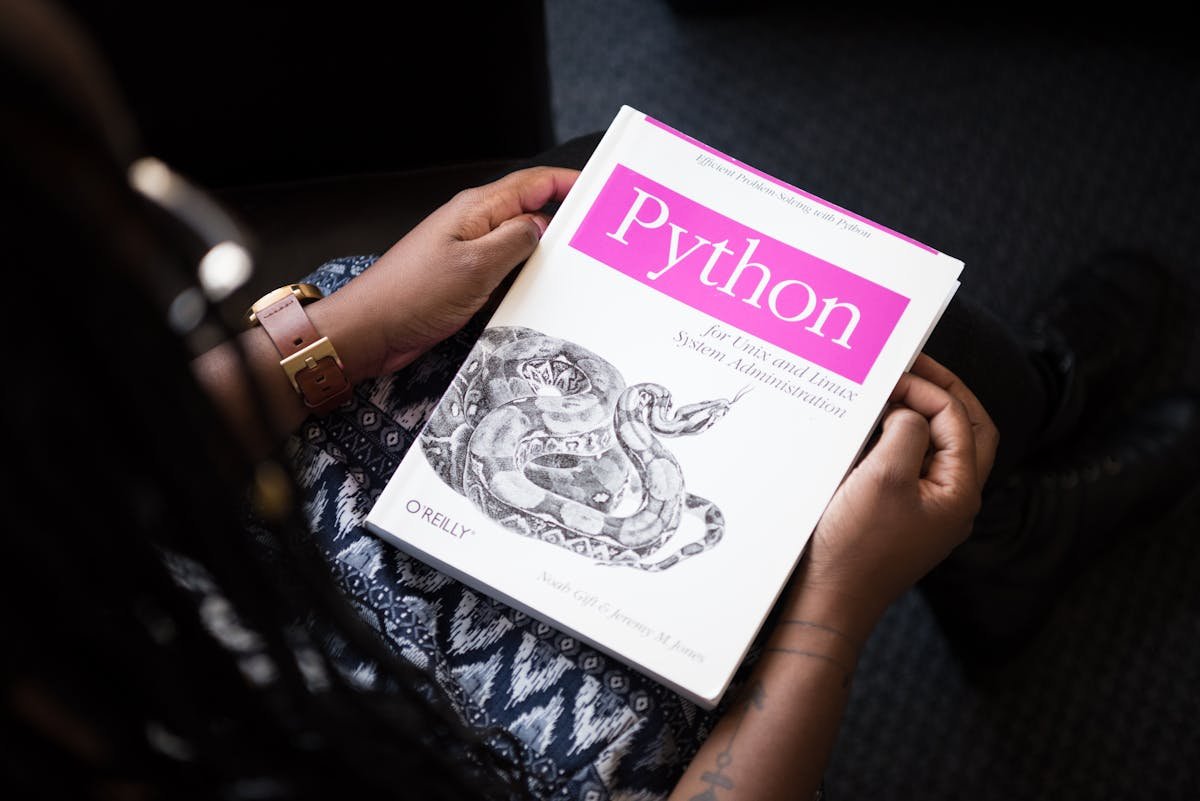
A four-year computer science degree isn’t the only path into tech anymore. Coding bootcamps have quietly reshaped how people enter the industry, turning complete beginners into job-ready developers in as little as three to six months. With the right program, a structured curriculum, and genuine commitment, a bootcamp can be the most efficient investment you make in your career. But not all bootcamps are created equal — and with hundreds of options available in 2025, knowing which ones are worth your time and money is everything.
Are Coding Bootcamps Still Worth It in 2025?
The short answer is yes — but only if you choose wisely. According to Course Report data, the average coding bootcamp graduate earns $20,000 to $30,000 more annually after completing their program compared to their pre-bootcamp role. Major employers including Google, Amazon, Microsoft, and Spotify actively recruit bootcamp graduates, and 69% of employers say they believe bootcamp graduates are qualified for technical roles. The value is there. The question is which program delivers it.
1. App Academy
App Academy is one of the most respected names in the bootcamp industry, and its Income Share Agreement (ISA) model has made it accessible to career changers who don’t have upfront capital. Instead of paying tuition before you start, you pay 15% of your first year’s salary after landing a job, with a payment cap in place. The curriculum covers full-stack web development using Ruby on Rails or Python alongside JavaScript, with a 16-week full-time format. App Academy reports a 94% job placement rate within 120 days of graduation. The rigor is real — expect 60+ hour weeks — but the outcomes justify the effort for those who are fully committed.
2. Fullstack Academy
Fullstack Academy offers a 16-week immersive software engineering program with daily classes and collaborative pair programming at its core. The curriculum is built around JavaScript and modern development tools, with strong emphasis on building a portfolio of real projects. Fullstack partners with several universities to offer co-branded programs, which adds institutional credibility alongside the bootcamp format. Their career support services include technical interview coaching, resume review, and employer hiring events that connect graduates directly with hiring managers.
3. General Assembly
General Assembly is one of the most established names in tech education globally, with campuses in major cities and a strong online offering. Their Software Engineering Immersive is a 12-week full-time program covering HTML, CSS, JavaScript, Python, and frameworks including React and Django. What sets General Assembly apart is its ecosystem — a massive alumni network, dedicated career coaches, and employer connections built over more than a decade of operation. For those who want a structured, professionally branded program with global recognition, GA is consistently among the top choices.
4. Le Wagon
Le Wagon originated in Europe and has expanded to campuses worldwide, building a reputation for exceptional community, curriculum quality, and real-world project work. Their Full-Stack Web Development bootcamp runs for 9 weeks full-time (or 24 weeks part-time) and covers Ruby on Rails, JavaScript, HTML, CSS, SQL, and deployment. By weeks six and seven, students are building functional web applications. Le Wagon’s live-coding daily sessions — where instructors code in real time and students follow along — create an active, highly engaging learning environment. It’s a particularly strong option for international students and those who value community alongside curriculum.
5. Hack Reactor
Hack Reactor has built a reputation as one of the most technically rigorous bootcamps available. The immersive format uses daily pair programming and collaborative projects to simulate real software development environments. The curriculum is JavaScript-heavy, covering React, Node.js, and database management alongside computer science fundamentals including data structures and algorithms — content that distinguishes Hack Reactor graduates in technical interviews. The program is demanding by design; it selects for candidates who are ready to perform under pressure and rewards those who rise to the challenge.
6. Coding Dojo
Coding Dojo takes a differentiated approach by teaching three full technology stacks rather than going deep on one. This breadth makes graduates more adaptable in the job market and capable of working across different codebases and environments. The full-time remote program runs 14 weeks and covers Python, JavaScript, and a third stack of the student’s choice. Coding Dojo is particularly well-suited for learners who want maximum flexibility in the types of roles they can apply for after graduation.
7. Nucamp
For those looking for a quality program at a significantly lower price point, Nucamp is a standout option. Their full-stack and web development bootcamp is one of the most affordable on the market at around $2,124 to $2,724, making it accessible to learners who can’t justify the $15,000 to $20,000 price tags of premium programs. The part-time, weekend-based format (36 weeks) also makes it practical for people who are working or have other commitments during the week. The curriculum covers HTML, CSS, JavaScript, React, and Node.js with a balance between self-paced learning and weekly workshop sessions.
What to Look for in a Coding Bootcamp
Beyond the specific programs listed above, there are a few criteria every prospective student should evaluate before committing. Job placement rate is the most important metric — look for CIRR-audited data (the industry standard for transparent reporting) rather than self-reported numbers. Payment structure matters too: ISAs and deferred tuition protect you by aligning the bootcamp’s incentive with your success. Curriculum relevance should be checked against current job postings in your target role. And career support quality — including how long you have access to it after graduation — can make the difference between finding a job in three months versus a year.
Conclusion
Coding bootcamps in 2025 represent a legitimate, accelerated path into one of the most in-demand and well-compensated industries in the world. The programs listed above have earned their reputations through consistent outcomes, genuine curriculum quality, and meaningful career support. Research each option against your goals, your budget, and your preferred learning style — and then commit fully. The investment is significant, but for those who are ready, the return is transformational.
FAQs
How long does a coding bootcamp take?
Most full-time coding bootcamps run between 12 and 16 weeks. Part-time programs stretch to 24 to 36 weeks, allowing students to continue working or managing other commitments alongside their studies.
Can I get a job after a coding bootcamp with no prior experience?
Yes. Many bootcamp graduates successfully land their first tech job without prior professional coding experience. The key factors are the quality of your portfolio projects, your performance in technical interviews, and the strength of your program’s career support network.
What is an Income Share Agreement (ISA)?
An ISA is a payment structure where you pay nothing upfront and instead pay a percentage of your salary after securing employment above a minimum income threshold. It aligns the bootcamp’s financial success with your job outcome, making it a lower-risk option for students without significant savings.