The smart home promise has always been compelling — lights that respond to your voice, a thermostat that learns your preferences, locks you can control from anywhere. But for years, the reality was a mess of incompatible systems, unreliable apps, and devices that required a dedicated IT background to set up reliably. In 2025, that promise has largely been fulfilled. The Matter standard has made cross-brand compatibility genuinely workable, setup processes have become dramatically simpler, and the devices that have survived the market’s maturation are the ones that deliver real, daily value. This guide covers the smart home devices that are actually worth buying right now.
Start With the Right Ecosystem
Before buying any smart home device, decide which ecosystem you’ll anchor to. Amazon Alexa, Google Home, and Apple HomeKit are the three primary platforms, and your choice should be driven by which smartphone and devices you already use. Apple users benefit from the deep integration of HomeKit with iPhone, iPad, and Mac, though Apple devices tend to cost more. Android users are well-served by Google Home’s tight integration with Google Assistant and Android phones. Amazon’s Alexa ecosystem has the widest device compatibility across price points and is a strong choice for anyone who already uses Amazon services. The growing Matter standard increasingly allows devices from different brands to work across ecosystems, which reduces the risk of ecosystem lock-in for new purchases.
1. Amazon Echo Dot (5th Gen) — Best Smart Speaker Entry Point
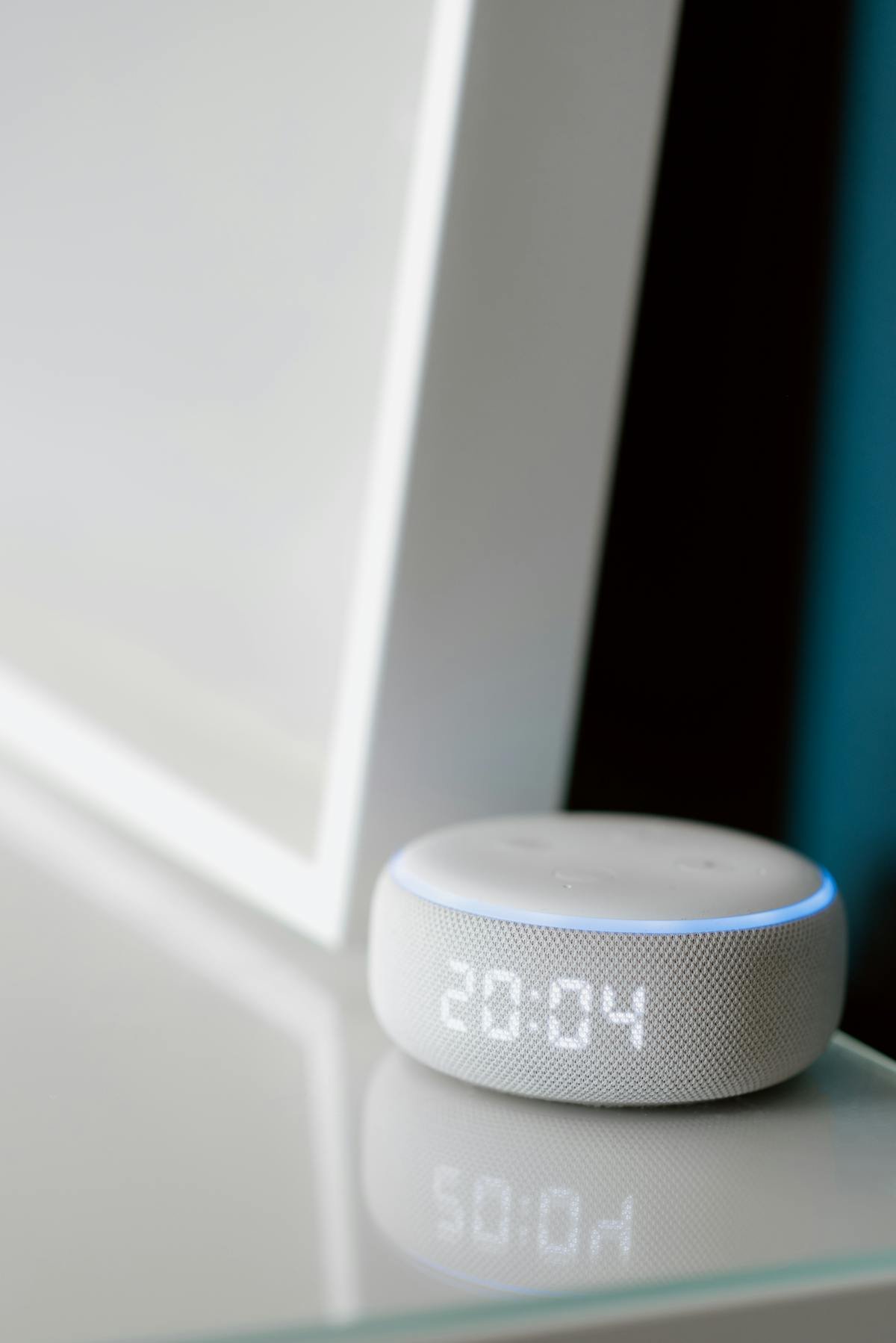
The Amazon Echo Dot (5th Gen) is the most cost-effective way to add voice control and a smart home hub to any room. At around $50, it delivers Alexa’s full capability — playing music, answering questions, controlling smart lights and plugs, setting timers, and managing routines — in a compact, unobtrusive package. The 5th generation adds an onboard temperature sensor that can trigger Alexa routines based on room conditions, and the improved speaker sounds noticeably better than previous generations. For first-time smart home buyers, starting with one or two Echo Dots is the fastest way to experience the practical utility of voice control before investing in more expensive devices.
2. Google Nest Learning Thermostat — Best Smart Thermostat
The Google Nest Learning Thermostat is the device most consistently cited by smart home owners as the investment that paid back most clearly — through energy savings that typically offset the purchase price within one to two years. It learns your schedule over the first week of use, adjusting temperature automatically when you leave and arrive. Remote control via the Nest app means you can heat or cool your home before you arrive without paying to condition an empty space. Detailed energy usage reports make overconsumption visible. The premium build quality and iconic circular design stand out as home hardware that doesn’t look like an afterthought on the wall. At around $130 to $180, it’s one of the most financially justified smart home purchases available.
3. Philips Hue Smart Bulbs — Best Smart Lighting System
Smart lighting is the gateway category that converts most people from smart home skeptics to enthusiasts, and Philips Hue has built and maintained the best smart lighting ecosystem for over a decade. The bulbs support the full color spectrum, work with Alexa, Google Home, and Apple HomeKit simultaneously, and through the Hue Bridge, offer local processing that means your lights work even when the internet is down. Starter kits beginning at around $70 include two or three bulbs and the Hue Bridge, providing an immediate transformation of living room or bedroom lighting. Automations — lights that gradually brighten in the morning like a sunrise, dim automatically at a set bedtime, or change scene when a movie starts — are where smart lighting’s daily value becomes evident.
4. August Smart Lock Pro — Best Smart Lock
A smart lock is one of the most immediately practical smart home upgrades, and the August Smart Lock Pro is the most versatile option available. Unlike locks that replace your entire deadbolt (requiring locksmith installation), August installs on the interior side of your existing deadbolt — keeping the exterior hardware unchanged and preserving your existing keys. Auto-Lock and Auto-Unlock based on proximity work reliably, and the activity log showing who entered and when is invaluable for households with kids, dog walkers, or housecleaners who need access. Guest access via time-limited digital keys eliminates the need to physically copy and distribute keys. At around $200 to $230, it’s a premium but genuinely transformative upgrade for keyholders.
5. Amazon Smart Plug — Best Entry-Level Automation
At around $25, Amazon Smart Plugs are the fastest way to make any non-smart device voice-controllable and schedulable. Plug in a lamp, a coffee maker, a fan, or a space heater, and it becomes part of your smart home instantly — turn it on or off by voice, set it to turn on at sunrise and off at bedtime, or include it in a Good Morning routine. They’re also excellent for energy awareness — adding a smart plug to high-draw devices like space heaters or TV setups lets you cut phantom power drain from devices left on standby. For smart home beginners building their first setup on a budget, a handful of smart plugs provide immediate, practical utility at minimal cost.
6. Arlo Pro 5 — Best Smart Security Camera
Home security cameras have become a core smart home category, and Arlo’s Pro 5 is the most capable wire-free option available. It delivers 2K HDR video, color night vision, two-way audio, a built-in spotlight, and IP67 weather resistance — all without requiring a power cable. The integration with Alexa, Google Home, and Apple HomeKit means footage is accessible across platforms, and the magnetic charging base makes repositioning and recharging simple. For renters and homeowners alike who want flexible outdoor security coverage without running electrical cabling, the Arlo Pro 5 provides peace of mind through a camera system that’s genuinely easy to deploy and manage.
7. Roborock S8 — Best Robot Vacuum
Robot vacuums have earned their place as one of the highest-utility smart home devices — not because they replace thorough cleaning, but because they eliminate the daily maintenance of dust, pet hair, and debris that accumulates between deeper cleans. The Roborock S8 combines vacuuming with sonic mopping in a single device, navigates via LiDAR mapping for efficient room coverage, and supports obstacle avoidance that keeps it from tangling in cables or wedging under furniture. Scheduled daily cleaning runs create a baseline of floor cleanliness that genuinely reduces how often manual vacuuming is needed. At around $400 to $500, it’s a significant but time-recovering investment for households with pets or active occupants.
Conclusion
The smart home devices that are worth buying in 2025 are those that solve a real, recurring friction point in daily life — not those that are impressive as demonstrations but forgotten within a week. The Nest thermostat saves money. Smart plugs add schedule-based control to dumb devices instantly. Smart locks eliminate key anxiety. Smart lights create atmosphere and save energy on autopilot. Start with the category that addresses your most frequent daily frustration, build from there, and the compounding convenience of a connected home reveals itself incrementally.
FAQs
What smart home ecosystem should I choose?
Choose based on your existing devices. Apple users should use HomeKit or Matter-compatible devices. Android users benefit most from Google Home. Users who already rely on Amazon services and own Echo devices are best served by Alexa. The Matter standard increasingly allows cross-ecosystem compatibility, reducing the risk of being locked into one platform.
Are smart home devices secure?
Security varies by manufacturer and device. Choose brands with strong security track records, ensure all devices run updated firmware, use a dedicated IoT WiFi network segment if your router supports it, and enable two-factor authentication on all smart home platform accounts. Devices from reputable brands like Google, Amazon, Philips, and August receive regular security updates.
What’s the best first smart home device to buy?
An Amazon Echo Dot or Google Nest Mini is the most common and practical first purchase — it provides voice control, a platform hub, and immediate utility for around $50. A smart plug for a commonly-used lamp is an equally low-risk, high-impact first step that costs even less.